MzTeachuh is a resource blog providing educational links for professional development, timely articles for special needs, ed tech and STEM, as well as interesting and amusing posts in the Fine Arts and the Humanities.
Showing posts with label Dickinson. Show all posts
Tuesday, November 17, 2020
Sunday, December 10, 2017
Five Poems to Soothe Kids' Toxic Stress
Grandpa was really sick now, thin like a skeleton.
The last thing I remember him saying was, "Did you bring the little dog?"
We hadn't brought Kip because Grandpa was in a hospice, but the pain-killers made him think he saw the chihuahua at the foot of the bed. Kip had been a faithful friend stationed at the foot of his bed the previous five years at home when Grandpa was bedridden due to cancer.
![]() |
| Melanie, Grandpa and Kip 1962 |
I recall watching baseball on television with him. He was a San Francisco Giants' fan. I realized last year that the reason I knew so much about the Giants was because I watched the World Series (1962) with him (the last baseball season Grandpa was at home), before he passed away the following spring. His going left a dark hole in the family.
Literature can ease the stress of a child's serious loss, so the effect doesn't advance to toxic, chronic stress. Literature draws the isolating pain out in the open. We aren't alone in our experiences; universal themes speak to our human condition, too. For me, I somehow found "The Rainy Day," by Henry Wadsworth Longfellow, probably in my parochial school library. It soothed my heartbroken, prepubescent soul with lines like "Behind the clouds is the sun still shining" and "Into each life some rain must fall, Some days must be dark and dreary." Henry knew how I felt.
http://www.americanpoems.com/poets/longfellow/12207
![]() |
| #16 Life Doesn't Frighten Me At All by Ian Lantz |
Kids can be demeaned, betrayed, bullied. How can a kid handle that? Students, usually middle-schoolers, respond with shock at the opening lines of'
I'm nobody! Who are you?Are you nobody, too?
Someone else knows how it feels? I'm not the only one going through this? When you're born into the caste of the rejects--what's a kid to do? Like Emily Dickinson suggests, reject the insult--its the conformists who are to be ridiculed. To read how the totally unique Emily suggests we do this, go to this link and see all the poem. http://www.online-literature.com/dickinson/448/
Every year I have taught in Southern California, I have students that have had traumatic losses due to violence close to them. Even what we consider to be a cliche can comfort them. Famous sayings and poems aren't famous to kids--its new material. The well known saying from Tennyson's "In Memoriam" is still valid:
I hold it true, whate'er befall;
I feel it, when I sorrow most;
'Tis better to have loved and lost
Than never to have loved at all.
For the rest of the poem,
http://www.poetryfoundation.org/poem/174603. I always liked the reference to not wanting to be a 'linnet' (caged bird) that was never free to experience 'the summer wood.' Life has joys and sorrows, and we fly to the first despite the eventual descent into the second.
Our people, our family can uphold us. Langston Hughes' "Mother to Son" speaks a mom's heart.http://allpoetry.com/Mother-To-Son Life's exertion, exhaustion, and unexpected reversals require relentless effort to overcome, often too much for the young person by himself. Whether its a mother to son, grandpa to granddaughter, teacher to student---there are grown-ups reaching out to you. Someone cares. We can navigate you, one step at a time, past the hidden trip-ups. We know where they are-- we've tripped over a few--but let's get up and keep on climbing.
The comfort from the community; poets from even two hundred years ago can be a member of that community. A poem can embrace the sad, frightened, lonely soul of a child.

I thought of Grandpa when his Giants won the World Series in 2010, 2012, and 2014. I couldn't share it with him, except in my heart. That's a comforting thought. I learned that from poetry.

I thought of Grandpa when his Giants won the World Series in 2010, 2012, and 2014. I couldn't share it with him, except in my heart. That's a comforting thought. I learned that from poetry.
Wednesday, April 19, 2017
Five Poems to Soothe Kids' Toxic Stress
Grandpa was really sick now, thin like a skeleton.
The last thing I remember him saying was, "Did you bring the little dog?"
We hadn't brought Kip because Grandpa was in a hospice, but the pain-killers made him think he saw the chihuahua at the foot of the bed. Kip had been a faithful friend stationed at the foot of his bed the previous five years at home when Grandpa was bedridden due to cancer.
The last thing I remember him saying was, "Did you bring the little dog?"
We hadn't brought Kip because Grandpa was in a hospice, but the pain-killers made him think he saw the chihuahua at the foot of the bed. Kip had been a faithful friend stationed at the foot of his bed the previous five years at home when Grandpa was bedridden due to cancer.
![]() |
| Melanie, Grandpa and Kip 1962 |
I recall watching baseball on television with him. He was a San Francisco Giants' fan. I realized last year that the reason I knew so much about the Giants was because I watched the World Series (1962) with him (the last baseball season Grandpa was at home), before he passed away the following spring. His going left a dark hole in the family.
Literature can ease the stress of a child's serious loss, so the effect doesn't advance to toxic, chronic stress. Literature draws the isolating pain out in the open. We aren't alone in our experiences; universal themes speak to our human condition, too. For me, I somehow found "The Rainy Day," by Henry Wadsworth Longfellow, probably in my parochial school library. It soothed my heartbroken, prepubescent soul with lines like "Behind the clouds is the sun still shining" and "Into each life some rain must fall, Some days must be dark and dreary." Henry knew how I felt.
http://www.americanpoems.com/poets/longfellow/12207
![]() |
| #16 Life Doesn't Frighten Me At All by Ian Lantz |
Kids can be demeaned, betrayed, bullied. How can a kid handle that? Students, usually middle-schoolers, respond with shock at the opening lines of'
I'm nobody! Who are you?Are you nobody, too?
Someone else knows how it feels? I'm not the only one going through this? When you're born into the caste of the rejects--what's a kid to do? Like Emily Dickinson suggests, reject the insult--its the conformists who are to be ridiculed. To read how the totally unique Emily suggests we do this, go to this link and see all the poem. http://www.online-literature.com/dickinson/448/
Every year I have taught in Southern California, I have students that have had traumatic losses due to violence close to them. Even what we consider to be a cliche can comfort them. Famous sayings and poems aren't famous to kids--its new material. The well known saying from Tennyson's "In Memoriam" is still valid:
I hold it true, whate'er befall;
I feel it, when I sorrow most;
'Tis better to have loved and lost
Than never to have loved at all.
For the rest of the poem,
http://www.poetryfoundation.org/poem/174603. I always liked the reference to not wanting to be a 'linnet' (caged bird) that was never free to experience 'the summer wood.' Life has joys and sorrows, and we fly to the first despite the eventual descent into the second.
Our people, our family can uphold us. Langston Hughes' "Mother to Son" speaks a mom's heart.http://allpoetry.com/Mother-To-Son Life's exertion, exhaustion, and unexpected reversals require relentless effort to overcome, often too much for the young person by himself. Whether its a mother to son, grandpa to granddaughter, teacher to student---there are grown-ups reaching out to you. Someone cares. We can navigate you, one step at a time, past the hidden trip-ups. We know where they are-- we've tripped over a few--but let's get up and keep on climbing.
The comfort from the community; poets from even two hundred years ago can be a member of that community. A poem can embrace the sad, frightened, lonely soul of a child.

I thought of Grandpa when his Giants won the World Series in 2010, 2012, and 2014. I couldn't share it with him, except in my heart. That's a comforting thought. I learned that from poetry.

I thought of Grandpa when his Giants won the World Series in 2010, 2012, and 2014. I couldn't share it with him, except in my heart. That's a comforting thought. I learned that from poetry.
Sunday, February 21, 2016
Five Poems to Soothe Kids' Toxic Stress
Grandpa was really sick now, thin like a skeleton.
The last thing I remember him saying was, "Did you bring the little dog?"
We hadn't brought Kip because Grandpa was in a hospice, but the pain-killers made him think he saw the chihuahua at the foot of the bed. Kip had been a faithful friend stationed at the foot of his bed the previous five years at home when Grandpa was bedridden due to cancer.
The last thing I remember him saying was, "Did you bring the little dog?"
We hadn't brought Kip because Grandpa was in a hospice, but the pain-killers made him think he saw the chihuahua at the foot of the bed. Kip had been a faithful friend stationed at the foot of his bed the previous five years at home when Grandpa was bedridden due to cancer.
![]() |
| Melanie, Grandpa and Kip 1962 |
I
recall watching baseball on television with him. He was a San Francisco
Giants' fan. I realized last year that the reason I knew so much about
the Giants was because I watched the World Series (1962) with him (the
last baseball season Grandpa was at home), before he passed away the
following spring. His going left a dark hole in the family.
Literature
can ease the stress of a child's serious loss, so the effect doesn't
advance to toxic, chronic stress. Literature draws the isolating pain
out in the open. We aren't alone in our experiences; universal themes
speak to our human condition, too. For me, I somehow found "The Rainy
Day," by Henry Wadsworth Longfellow, probably in my parochial school
library. It soothed my heartbroken, prepubescent soul with lines like
"Behind the clouds is the sun still shining" and "Into each life some
rain must fall, Some days must be dark and dreary." Henry knew how I
felt. http://www.americanpoems.com/poets/longfellow/12207
![]() |
| #16 Life Doesn't Frighten Me At All by Ian Lantz |
describe the traumas kids suffer. Maya Angelou's "Life Doesn't Frighten Me," infers a child's nightmares and possible real terrors; the voice in the poem stands up to her fears. A group discussion of a poem allows a student to absorb the comfort at her own pace and need; she can share her fear or not. But the universal experience of fear is acknowledged. http://www.swaraj.org/shikshantar/life_mayaangelou.htm
Kids
can be demeaned, betrayed, bullied. How can a kid handle that?
Students, usually middle-schoolers, respond with shock at the opening
lines of'
I'm nobody! Who are you?Are you nobody, too?
Someone
else knows how it feels? I'm not the only one going through this? When
you're born into the caste of the rejects--what's a kid to do? Like
Emily Dickinson suggests, reject the insult--its the conformists who are
to be ridiculed. To read how the totally unique Emily suggests we do
this, go to this link and see all the poem. http://www.online-literature.com/dickinson/448/
Every
year I have taught in Southern California, I have students that have
had traumatic losses due to violence close to them. Even what we
consider to be a cliche can comfort them. Famous sayings and poems
aren't famous to kids--its new material. The well known saying from
Tennyson's "In Memoriam" is still valid:
I
hold it true, whate'er befall;
I feel it, when I sorrow most;
'Tis better to have loved and lost
Than never to have loved at all.
For the rest of the poem,
http://www.poetryfoundation.org/poem/174603.
I always liked the reference to not wanting to be a 'linnet' (caged
bird) that was never free to experience 'the summer wood.' Life has joys
and sorrows, and we fly to the first despite the eventual descent into
the second.
Our people, our family can uphold us. Langston Hughes' "Mother to Son" speaks a mom's heart.http://allpoetry.com/Mother-To-Son Life's exertion,
exhaustion, and unexpected reversals require relentless effort to
overcome, often too much for the young person by himself. Whether its a
mother to son, grandpa to granddaughter, teacher to student---there are
grown-ups reaching out to you. Someone cares. We can navigate you, one
step at a time, past the hidden trip-ups. We know where they are-- we've
tripped over a few--but let's get up and keep on climbing.
The
comfort from the community; poets from even two hundred years ago can
be a member of that community. A poem can embrace the sad, frightened,
lonely soul of a child.

I thought of Grandpa when his Giants won the Series in 2010, 2012, and 2014. I couldn't share it with him, except in my heart. That's a comforting thought. I learned it from poetry.

I thought of Grandpa when his Giants won the Series in 2010, 2012, and 2014. I couldn't share it with him, except in my heart. That's a comforting thought. I learned it from poetry.
Sunday, August 30, 2015
Five Poems to Soothe Kids' Toxic Stress
Grandpa was really sick now, thin like a skeleton.
The last thing I remember him saying was, "Did you bring the little dog?"
We hadn't brought Kip because Grandpa was in a hospice, but the pain-killers made him think he saw the chihuahua at the foot of the bed. Kip had been a faithful friend stationed at the foot of his bed the previous five years at home when Grandpa was bedridden due to cancer.
The last thing I remember him saying was, "Did you bring the little dog?"
We hadn't brought Kip because Grandpa was in a hospice, but the pain-killers made him think he saw the chihuahua at the foot of the bed. Kip had been a faithful friend stationed at the foot of his bed the previous five years at home when Grandpa was bedridden due to cancer.
![]() |
| Melanie, Grandpa and Kip 1962 |
I
recall watching baseball on television with him. He was a San Francisco
Giants' fan. I realized last year that the reason I knew so much about
the Giants was because I watched the World Series (1962) with him (the
last baseball season Grandpa was at home), before he passed away the
following spring. His going left a dark hole in the family.
Literature
can ease the stress of a child's serious loss, so the effect doesn't
advance to toxic, chronic stress. Literature draws the isolating pain
out in the open. We aren't alone in our experiences; universal themes
speak to our human condition, too. For me, I somehow found "The Rainy
Day," by Henry Wadsworth Longfellow, probably in my parochial school
library. It soothed my heartbroken, prepubescent soul with lines like
"Behind the clouds is the sun still shining" and "Into each life some
rain must fall, Some days must be dark and dreary." Henry knew how I
felt. http://www.americanpoems.com/poets/longfellow/12207
![]() |
| #16 Life Doesn't Frighten Me At All by Ian Lantz |
describe the traumas kids suffer. Maya Angelou's "Life Doesn't Frighten Me," infers a child's nightmares and possible real terrors; the voice in the poem stands up to her fears. A group discussion of a poem allows a student to absorb the comfort at her own pace and need; she can share her fear or not. But the universal experience of fear is acknowledged. http://www.swaraj.org/shikshantar/life_mayaangelou.htm
Kids
can be demeaned, betrayed, bullied. How can a kid handle that?
Students, usually middle-schoolers, respond with shock at the opening
lines of'
I'm nobody! Who are you?Are you nobody, too?
Someone
else knows how it feels? I'm not the only one going through this? When
you're born into the caste of the rejects--what's a kid to do? Like
Emily Dickinson suggests, reject the insult--its the conformists who are
to be ridiculed. To read how the totally unique Emily suggests we do
this, go to this link and see all the poem. http://www.online-literature.com/dickinson/448/
Every
year I have taught in Southern California, I have students that have
had traumatic losses due to violence close to them. Even what we
consider to be a cliche can comfort them. Famous sayings and poems
aren't famous to kids--its new material. The well known saying from
Tennyson's "In Memoriam" is still valid:
I
hold it true, whate'er befall;
I feel it, when I sorrow most;
'Tis better to have loved and lost
Than never to have loved at all.
For the rest of the poem,
http://www.poetryfoundation.org/poem/174603.
I always liked the reference to not wanting to be a 'linnet' (caged
bird) that was never free to experience 'the summer wood.' Life has joys
and sorrows, and we fly to the first despite the eventual descent into
the second.
Our people, our family can uphold us. Langston Hughes' "Mother to Son" speaks a mom's heart.http://allpoetry.com/Mother-To-Son Life's exertion,
exhaustion, and unexpected reversals require relentless effort to
overcome, often too much for the young person by himself. Whether its a
mother to son, grandpa to granddaughter, teacher to student---there are
grown-ups reaching out to you. Someone cares. We can navigate you, one
step at a time, past the hidden trip-ups. We know where they are-- we've
tripped over a few--but let's get up and keep on climbing.
The
comfort from the community; poets from even two hundred years ago can
be a member of that community. A poem can embrace the sad, frightened,
lonely soul of a child.

I thought of Grandpa when his Giants won the Series. I couldn't share it with him, except in my heart. That's a comforting thought. I learned it from poetry.

I thought of Grandpa when his Giants won the Series. I couldn't share it with him, except in my heart. That's a comforting thought. I learned it from poetry.
Thursday, March 5, 2015
Five Poems to Soothe Kids' Toxic Stress
Grandpa was really sick now, thin like a skeleton. The last thing I
remember him saying was, "Did you bring the little dog?" We hadn't
brought Kip because Grandpa was in a hospice, but the pain-killers made
him think he saw the chihuahua at the foot of the bed. Kip had been a
faithful friend stationed at the foot of his bed the previous five years
at home when Grandpa was bedridden due to cancer.
Are you nobody, too?
Technically, Grandpa wasn't our 'real' grandfather. He was our
grandmother's second husband. But to me, my sister, and all the many
cousins, he was the best grandpa in the whole world. Everyone says that,
even almost fifty years later. He loved children. He loved us. He spent
time talking to us, taking us on walks, teaching us to play the card
game 'Casino.' And card tricks, too. All the photos with him showed
everyone smiling. He was like that.
I recall watching baseball on television with him. He was a San
Francisco Giants' fan. I realized last year that the reason I knew so
much about the Giants was because I watched the World Series (1962) with
him (the last baseball season Grandpa was at home), before he passed
away the following spring. His going left a dark hole in the family.
Literature can ease the stress of a child's serious loss, so the effect
doesn't advance to toxic, chronic stress. Literature draws the isolating
pain out in the open. We aren't alone in our experiences; universal
themes speak to our human condition, too. For me, I somehow found "The
Rainy Day," by Henry Wadsworth Longfellow, probably in my parochial
school library. It soothed my heartbroken, adolescent soul with lines
like "Behind the clouds is the sun still shining" and "Into each life
some rain must fall, Some days must be dark and dreary." Henry knew how
I felt. http://www.americanpoems.com/poets/longfellow/12207
Childhood can be filled with fears, even terrors, real and imagined. We
don't need to describe the traumas kids suffer. Maya Angelou's "Life
Doesn't Frighten Me," infers a child's nightmares and possible real
terrors; the voice in the poem stands up to her fears. A group
discussion of a poem allows a student to absorb the comfort at her own
pace and need; she can share her fear or not. But the universal
experience of fear is acknowledged. http://www.swaraj.org/shikshantar/life_mayaangelou.htm
Kids can be demeaned, betrayed, bullied. How can a kid handle that?
Students, usually middle-schoolers, respond with shock at the opening
lines of
I'm nobody! Who are you?Are you nobody, too?
Someone else knows how it feels? I'm not
the only one going through this? When you're born into the caste of the
rejects--what's a kid to do? Like Emily Dickinson suggests, reject the
insult--its the conformists who are to be ridiculed. To read how the
totally unique Emily
suggests we do this, go to this link and see all the poem. http://www.online-literature.com/dickinson/448/
Every year I have taught in Southern
California, I have students that have had traumatic losses due to
violence close to them. Even what we consider to be a cliche can comfort
them. Famous sayings and poems aren't famous to kids--its new
material. The well known saying from Tennyson's "In Memoriam" is still
valid:
I
hold it true, whate'er befall;
I feel it, when I sorrow most;
'Tis better to have loved and lost
Than never to have loved at all.
For the rest of the poem,
http://www.poetryfoundation.org/poem/174603.
I always liked the reference to not wanting to be a 'linnet' (caged
bird) that was never free to experience 'the summer wood.' Life has joys
and sorrows, and we fly to the first despite the eventual descent into
the second.
Our people, our family can uphold us. http://www.poetryfoundation.org/poem/177021
Langston Hughes' "Mother to Son" speaks a mom's heart. Life's exertion,
exhaustion, and unexpected reversals require relentless effort to
overcome, often too much for the young person by himself. Whether its a
mother to son, grandpa to granddaughter, teacher to student---there are
grown-ups reaching out to you. Someone cares. We can navigate you, one
step at a time, past the hidden trip-ups. We know where they are-- we've
tripped over a few--but let's get up and keep on climbing.
The comfort from the community; poets from even two hundred years ago
can be a member of that community. A poem can embrace the sad,
frightened, lonely soul of a child.
I thought of Grandpa when his Giants won the Series. I couldn't share it with him, except in my heart. That's a comforting thought. I learned it from poetry.
Labels:
charter school,
childhood,
Dickinson,
English as second language,
ESL,
homeschooling,
Langston Hughes,
literature,
Longfellow,
Maya Angelou,
poetry,
Tennyson,
toxic stress
Thursday, March 27, 2014
Five Poems to Soothe Kids' Toxic Stress
Technically, Grandpa wasn't our 'real' grandfather. He was our
grandmother's second husband. But to me, my sister, and all the many
cousins, he was the best grandpa in the whole world. Everyone says that,
even almost fifty years later. He loved children. He loved us. He spent
time talking to us, taking us on walks, teaching us to play the card
game 'Casino.' And card tricks, too. All the photos with him showed
everyone smiling. He was like that.
I recall watching baseball on television with him. He was a San
Francisco Giants' fan. I realized last year that the reason I knew so
much about the Giants was because I watched the World Series (1962) with
him (the last baseball season Grandpa was at home), before he passed
away the following spring. His going left a dark hole in the family.
Literature can ease the stress of a child's serious loss, so the effect
doesn't advance to toxic, chronic stress. Literature draws the isolating
pain out in the open. We aren't alone in our experiences; universal
themes speak to our human condition, too. For me, I somehow found "The
Rainy Day," by Henry Wadsworth Longfellow, probably in my parochial
school library. It soothed my heartbroken, adolescent soul with lines
like "Behind the clouds is the sun still shining" and "Into each life
some rain must fall, Some days must be dark and dreary." Henry knew how
I felt. http://www.americanpoems.com/poets/longfellow/12207
Childhood can be filled with fears, even terrors, real and imagined. We
don't need to describe the traumas kids suffer. Maya Angelou's "Life
Doesn't Frighten Me," infers a child's nightmares and possible real
terrors; the voice in the poem stands up to her fears. A group
discussion of a poem allows a student to absorb the comfort at her own
pace and need; she can share her fear or not. But the universal
experience of fear is acknowledged. http://www.swaraj.org/shikshantar/life_mayaangelou.htm
Kids can be demeaned, betrayed, bullied. How can a kid handle that?
Students, usually middle-schoolers, respond with shock at the opening
lines of
I'm nobody! Who are you?Are you nobody, too?
Someone else knows how it feels? I'm not
the only one going through this? When you're born into the caste of the
rejects--what's a kid to do? Like Emily Dickinson suggests, reject the
insult--its the conformists who are to be ridiculed. To read how the
totally unique Emily
suggests we do this, go to this link and see all the poem. http://www.online-literature.com/dickinson/448/
Every year I have taught in Southern
California, I have students that have had traumatic losses due to
violence close to them. Even what we consider to be a cliche can comfort
them. Famous sayings and poems aren't famous to kids--its new
material. The well known saying from Tennyson's "In Memoriam" is still
valid:
I
hold it true, whate'er befall;
I feel it, when I sorrow most;
'Tis better to have loved and lost
Than never to have loved at all.
For the rest of the poem,
http://www.poetryfoundation.org/poem/174603.
I always liked the reference to not wanting to be a 'linnet' (caged
bird) that was never free to experience 'the summer wood.' Life has joys
and sorrows, and we fly to the first despite the eventual descent into
the second.
Our people, our family can uphold us. http://www.poetryfoundation.org/poem/177021
Langston Hughes' "Mother to Son" speaks a mom's heart. Life's exertion,
exhaustion, and unexpected reversals require relentless effort to
overcome, often too much for the young person by himself. Whether its a
mother to son, grandpa to granddaughter, teacher to student---there are
grown-ups reaching out to you. Someone cares. We can navigate you, one
step at a time, past the hidden trip-ups. We know where they are-- we've
tripped over a few--but let's get up and keep on climbing.
The comfort from the community; poets from even two hundred years ago
can be a member of that community. A poem can embrace the sad,
frightened, lonely soul of a child.
I thought of Grandpa when his Giants won the Series. I couldn't share it with him, except in my heart. That's a comforting thought. I learned it from poetry.
Labels:
charter school,
childhood,
Dickinson,
English as second language,
ESL,
homeschooling,
Langston Hughes,
literature,
Longfellow,
Maya Angelou,
poetry,
Tennyson,
toxic stress
Monday, January 16, 2012
Five Poems to Soothe Kids' Toxic Stress
Grandpa was really sick now, thin like a skeleton. The last thing I remember him saying was, "Did you bring the little dog?" We hadn't brought Kip because Grandpa was in a hospice, but the pain-killers made him think he saw the chihuahua at the foot of the bed. Kip had been a faithful friend stationed at the foot of his bed the previous five years at home when Grandpa was bedridden due to cancer.
Technically, Grandpa wasn't our 'real' grandfather. He was our grandmother's second husband. But to me, my sister, and all the many cousins, he was the best grandpa in the whole world. Everyone says that, even almost fifty years later. He loved children. He loved us. He spent time talking to us, taking us on walks, teaching us to play the card game 'Casino.' And card tricks, too. All the photos with him showed everyone smiling. He was like that.
I recall watching baseball on television with him. He was a San Francisco Giants' fan. I realized last year that the reason I knew so much about the Giants was because I watched the World Series (1962) with him (the last baseball season Grandpa was at home), before he passed away the following spring. His going left a dark hole in the family.
Literature can ease the stress of a child's serious loss, so the effect doesn't advance to toxic, chronic stress. Literature draws the isolating pain out in the open. We aren't alone in our experiences; universal themes speak to our human condition, too. For me, I somehow found "The Rainy Day," by Henry Wadsworth Longfellow, probably in my parochial school library. It soothed my heartbroken, adolescent soul with lines like "Behind the clouds is the sun still shining" and "Into each life some rain must fall, Some days must be dark and dreary." Henry knew how I felt. http://www.americanpoems.com/poets/longfellow/12207
Childhood can be filled with fears, even terrors, real and imagined. We don't need to describe the traumas kids suffer. Maya Angelou's "Life Doesn't Frighten Me," infers a child's nightmares and possible real terrors; the voice in the poem stands up to her fears. A group discussion of a poem allows a student to absorb the comfort at her own pace and need; she can share her fear or not. But the universal experience of fear is acknowledged. http://www.swaraj.org/shikshantar/life_mayaangelou.htm
Kids can be demeaned, betrayed, bullied. How can a kid handle that? Students, usually middle-schoolers, respond with shock at the opening lines of
I'm nobody! Who are you?Are you nobody, too?
Someone else knows how it feels? I'm not the only one going through this? When you're born into the caste of the rejects--what's a kid to do? Like Emily Dickinson suggests, reject the insult--its the conformists who are to be ridiculed. To read how the totally unique Emily suggests we do this, go to this link and see all the poem. http://www.online-literature.com/dickinson/448/
Every year I have taught in Southern California, I have students that have had traumatic losses due to violence close to them. Even what we consider to be a cliche can comfort them. Famous sayings and poems aren't famous to kids--its new material. The well known saying from Tennyson's "In Memoriam" is still valid:
I
hold it true, whate'er befall;
I feel it, when I sorrow most;
'Tis better to have loved and lost
Than never to have loved at all.
For the rest of the poem,
http://www.poetryfoundation.org/poem/174603. I always liked the reference to not wanting to be a 'linnet' (caged bird) that was never free to experience 'the summer wood.' Life has joys and sorrows, and we fly to the first despite the eventual descent into the second.
Our people, our family can uphold us. http://www.poetryfoundation.org/poem/177021 Langston Hughes' "Mother to Son" speaks a mom's heart. Life's exertion, exhaustion, and unexpected reversals require relentless effort to overcome, often too much for the young person by himself. Whether its a mother to son, grandpa to granddaughter, teacher to student---there are grown-ups reaching out to you. Someone cares. We can navigate you, one step at a time, past the hidden trip-ups. We know where they are-- we've tripped over a few--but let's get up and keep on climbing.
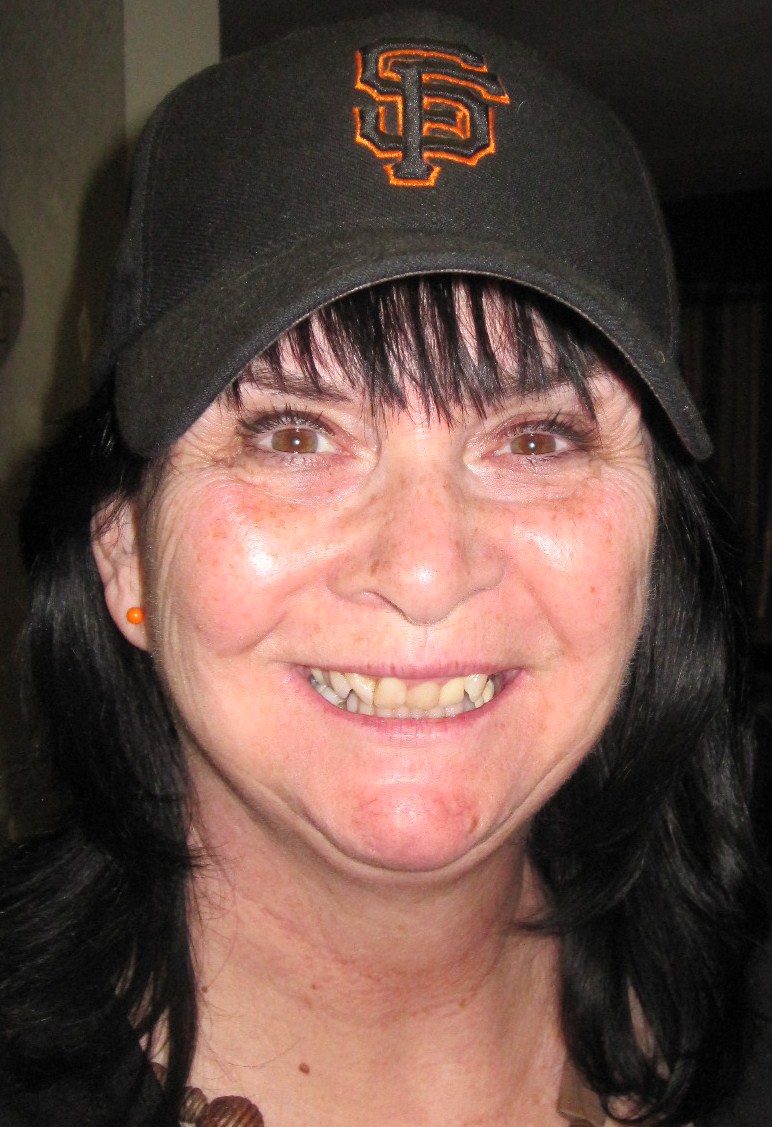
| Go Giants! |
The comfort from the community; poets from even two hundred years ago can be a member of that community. A poem can embrace the sad, frightened, lonely soul of a child.
I thought of Grandpa when his Giants won the Series this year. I couldn't share it with him, except in my heart. That's a comforting thought. I learned it from poetry.
Labels:
charter school,
childhood,
Dickinson,
English as second language,
ESL,
homeschooling,
Langston Hughes,
literature,
Longfellow,
Maya Angelou,
poetry,
Tennyson,
toxic stress
Subscribe to:
Posts (Atom)


